

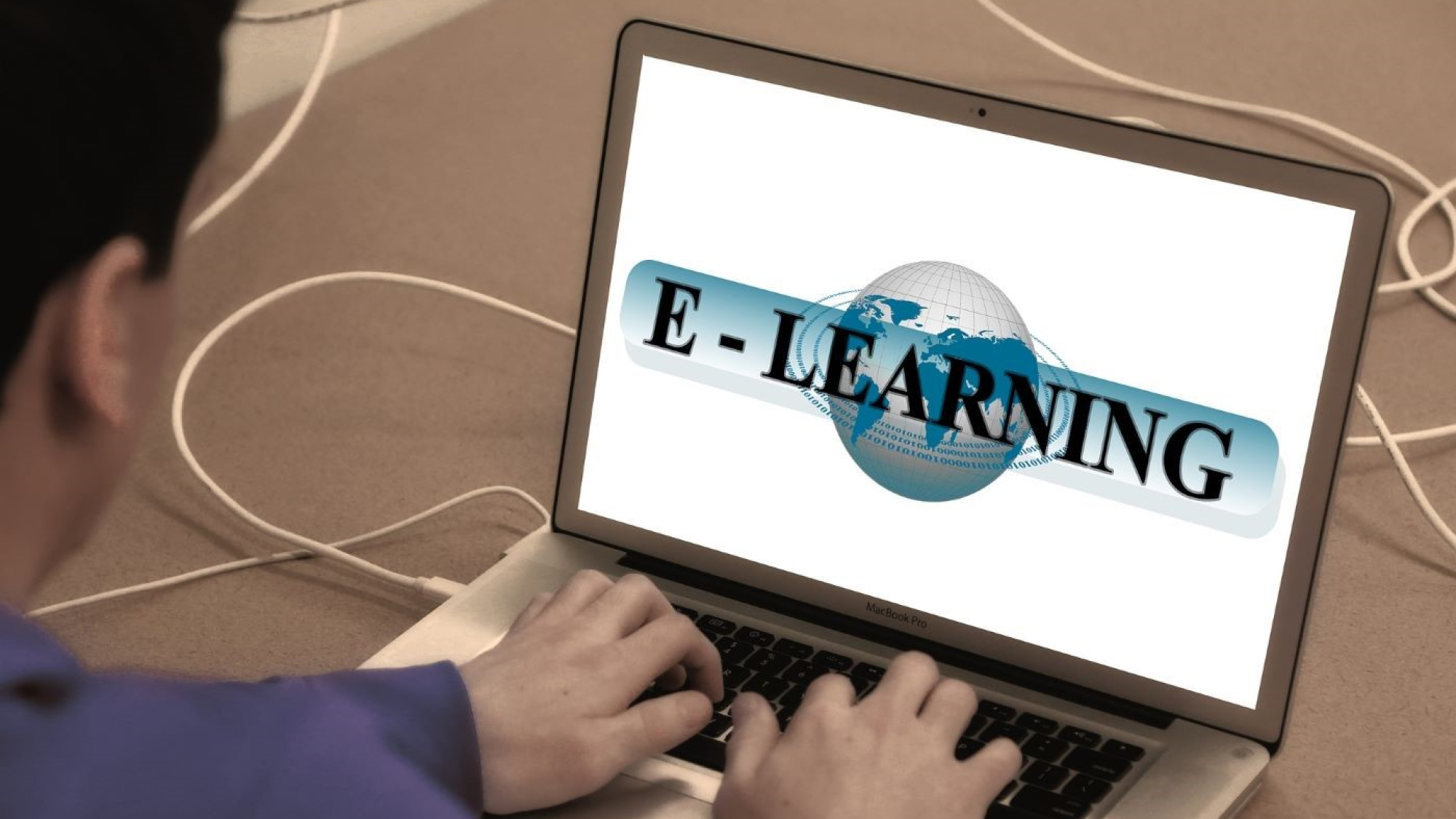
In the 21st century, the landscape of education is undergoing a revolutionary transformation, and at the forefront of this evolution is the rise of online learning. Online learning, also known as e-learning, has transcended traditional classroom boundaries, offering a dynamic and accessible approach to education. This essay explores the key drivers behind the surge in online learning, its benefits, and the transformative impact it has on education in the digital era.
Accessibility and Flexibility:
One of the primary reasons for the rise of online learning is its unparalleled accessibility. In the digital age, geographic constraints no longer limit educational opportunities. Learners from different corners of the globe can access high-quality courses and programs, breaking down traditional barriers to education. This accessibility is particularly beneficial for individuals with diverse commitments, such as working professionals, parents, or those facing physical limitations, providing them with the flexibility to pursue education at their own pace and on their own terms.
Customized Learning Experiences:
Online learning caters to the diverse learning styles and preferences of individuals. Through adaptive learning platforms, personalized content delivery, and interactive multimedia resources, learners can tailor their educational experiences to suit their needs. Whether visual, auditory, or kinesthetic learners, online platforms provide a plethora of resources and tools that engage and cater to various learning preferences, fostering a more inclusive and effective learning environment.
Technological Advancements:
Advancements in technology, including high-speed internet, interactive multimedia, and virtual reality, have significantly contributed to the rise of online learning. The seamless integration of these technologies enhances the learning experience, making it more immersive, interactive, and engaging. Virtual classrooms, collaborative online spaces, and real-time communication tools create an environment that mirrors the richness of traditional classrooms while leveraging the advantages of digital connectivity.
Cost-Effectiveness:
Online learning often proves to be a more cost-effective alternative to traditional education. Without the need for physical infrastructure, commuting, or printed materials, online courses can be more affordable for both educational institutions and learners. Additionally, online learning eliminates ancillary expenses associated with traditional education, such as housing and commuting costs, making education more accessible to a broader demographic.
Global Learning Communities:
Online learning fosters the creation of diverse and global learning communities. Students from different countries and cultural backgrounds can collaborate, share insights, and engage in cross-cultural discussions. This global exchange of perspectives enriches the learning experience, preparing individuals to thrive in an interconnected and multicultural world. Collaborative projects, discussion forums, and virtual group activities facilitate a sense of community among learners who may never meet face-to-face but share a common pursuit of knowledge.
Continuous Learning Opportunities:
The rise of online learning has facilitated a shift toward continuous and lifelong learning. Learners can update their skills, acquire new knowledge, and adapt to rapidly changing industries without the need for extended breaks from their careers. The accessibility of short courses, micro-credentials, and specialized certifications allows individuals to engage in targeted learning experiences that align with their career goals, promoting a culture of continuous professional development.
Challenges and Considerations:
While the advantages of online learning are numerous, it is essential to acknowledge and address the challenges it presents. Issues such as the digital divide, concerns about the quality of online education, and the need for robust online assessment mechanisms require careful consideration. Balancing the advantages of online learning with effective strategies to overcome these challenges is crucial in ensuring a holistic and equitable educational experience.
The Future of Education:
The rise of online learning is not a passing trend; it marks a paradigm shift in the way we approach education. As technology continues to advance, online learning will evolve with it, offering increasingly sophisticated and immersive learning experiences. The future of education lies in a blended approach, where online and traditional methods complement each other to provide a holistic and adaptable learning journey for individuals across the globe.
In conclusion, the rise of online learning represents a transformative force in education, democratizing access, and redefining the learning experience. As we navigate the complexities of the digital era, online learning stands as a beacon of innovation, providing opportunities for diverse learners to engage, thrive, and contribute to the knowledge-driven global community.