

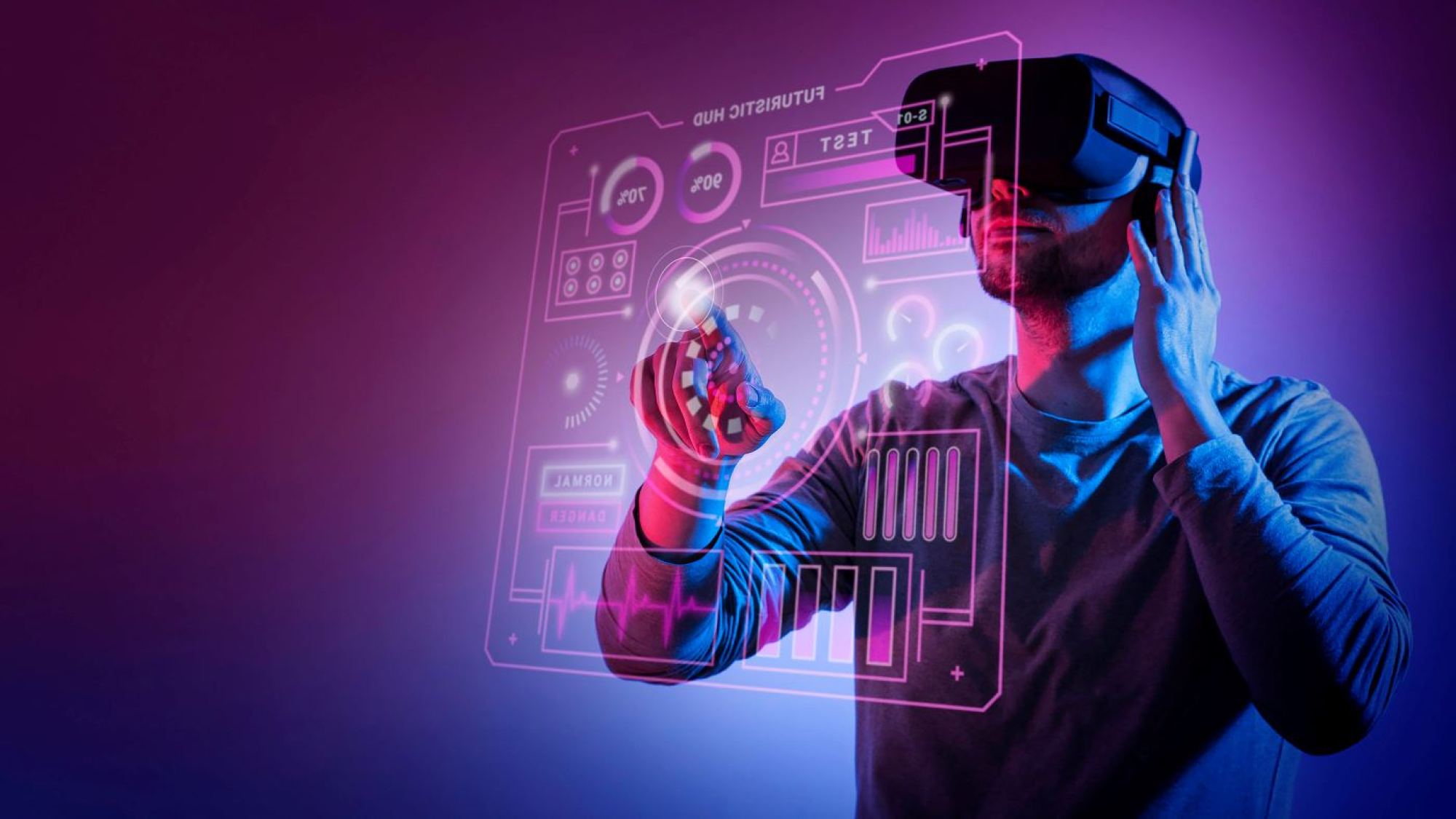
In recent years, technology has radically transformed nearly every aspect of our lives—and education is no exception. The integration of digital tools, online platforms, and innovative software has revolutionized how students learn, teachers teach, and educational institutions operate. From personalized learning to virtual classrooms, technology is reshaping education in profound ways, making it more accessible, efficient, and engaging for learners of all ages. In this blog, we’ll explore the various ways technology is impacting education, its benefits, and the challenges that come with it.
Enhancing Accessibility and Inclusivity
One of the most significant ways technology is improving education is by breaking down barriers to access. For students who previously faced geographical, physical, or socio-economic challenges, digital learning platforms provide an opportunity to access quality education remotely. Online courses, e-learning platforms, and digital textbooks enable students to learn from anywhere in the world, leveling the playing field for learners from all backgrounds.
Moreover, technology has made education more inclusive for students with disabilities. Tools like text-to-speech software, captioning services, and adaptive learning apps provide personalized support for students with visual, hearing, or cognitive impairments, ensuring that everyone has an equal opportunity to succeed in their educational journey.
Personalized Learning and Adaptive Technologies
Gone are the days of one-size-fits-all teaching. Technology allows for highly personalized learning experiences that cater to each student’s unique needs, strengths, and weaknesses. Adaptive learning platforms, powered by artificial intelligence (AI), analyze a student’s progress in real-time and adjust the curriculum accordingly. This dynamic approach ensures that learners receive targeted content that challenges them at just the right level.
For example, tools like Khan Academy, Duolingo, and various online math tutors offer customized exercises that adapt to the learner’s current understanding, helping them progress at their own pace. This individualized approach not only boosts student engagement but also enhances long-term retention of knowledge.
Fostering Collaboration and Global Connectivity
Technology has transformed how students collaborate with their peers, teachers, and even experts worldwide. Through platforms like Google Classroom, Microsoft Teams, and Zoom, students can interact with their classmates and instructors in real-time, whether they are in the same room or on opposite sides of the globe.
Moreover, online collaboration tools allow students to work together on projects, share resources, and communicate more effectively, fostering teamwork and social learning. The ability to connect with others globally also exposes students to diverse perspectives and cultures, promoting global awareness and cross-cultural understanding.
Interactive and Engaging Learning Experiences
Traditional classroom settings often rely on lectures, textbooks, and rote memorization, but technology has brought a new level of interactivity and engagement to education. Virtual simulations, gamified learning platforms, and augmented reality (AR) applications make learning more fun and immersive.
For instance, science students can conduct virtual experiments using simulations, history students can explore ancient civilizations through interactive timelines, and medical students can practice surgeries in a risk-free virtual environment. Gamification, in particular, has proven to be highly effective in motivating students, offering rewards, challenges, and immediate feedback as they progress through their learning journey.
Streamlining Administrative Tasks and Efficiency
Technology has also had a significant impact on the administrative side of education. Tools like Learning Management Systems (LMS), cloud-based storage, and automated grading systems streamline the management of coursework, assignments, and student data. This reduces the administrative burden on teachers and allows them to focus more on teaching and less on paperwork.
Additionally, data analytics tools enable educators and administrators to track student performance, identify at-risk students, and tailor interventions accordingly. With real-time insights into student progress, educators can provide timely support, ensuring no student is left behind.
Challenges and Considerations
While the benefits of technology in education are undeniable, there are also challenges that must be addressed. One of the most pressing issues is the digital divide. Not all students have equal access to devices, reliable internet, or technical support, which can create disparities in educational opportunities. It’s essential for governments, schools, and tech companies to work together to bridge this gap and ensure that every student has access to the tools they need to succeed.
Another concern is the potential for over-reliance on technology. While digital tools can enhance learning, they should not replace the human element of education. Teachers play an essential role in inspiring, mentoring, and guiding students, and technology should be seen as a supplement to, not a substitute for, human interaction.
Lastly, the increased use of technology in education raises questions about data privacy and security. With the rise of online learning platforms and digital classrooms, ensuring the protection of sensitive student data has become a top priority for educational institutions and tech companies alike.
The Future of Education: Blended Learning and Beyond
Looking ahead, the future of education is likely to be a blend of traditional teaching methods and cutting-edge technology. Blended learning, which combines in-person instruction with online learning, offers the flexibility of digital tools while maintaining the personal connection that is vital to effective education.
As technology continues to evolve, we can expect even more innovative developments, such as virtual reality (VR) and artificial intelligence (AI) becoming commonplace in classrooms. These technologies could bring about even more immersive and personalized learning experiences, transforming education into a truly dynamic and student-centered endeavor.
Conclusion
Technology’s impact on education has been nothing short of transformative. It has made learning more accessible, engaging, and personalized, while fostering collaboration and improving efficiency in educational institutions. However, as we continue to embrace these advancements, it’s essential to ensure equitable access to technology and address the challenges associated with its use. By doing so, we can harness the full potential of technology to create a brighter, more inclusive future for education worldwide.
The integration of technology in education is not just a trend—it’s a revolution that is reshaping the way we learn, teach, and interact with knowledge. As we look to the future, one thing is clear: technology will continue to play a crucial role in shaping the educational landscape for generations to come.